Author: Kyliekern

  • Reworking Fashion (Literally)

    Reworking Fashion (Literally)


    Let’s talk about greenwashing. Nowadays, many fashion designers and brands claim to be incredibly environmentally friendly and sustainable in their practices. It’s important to understand that companies frequently incorporate greenwashing into their business models, which can lead to misleading or false claims about their methods for becoming sustainable. As in many other aspects of the corporate world, it is imperative not to take everything a brand says at face value. On a lighter note, there are brands out there that take their promises seriously and actively implement sustainability into their business models.

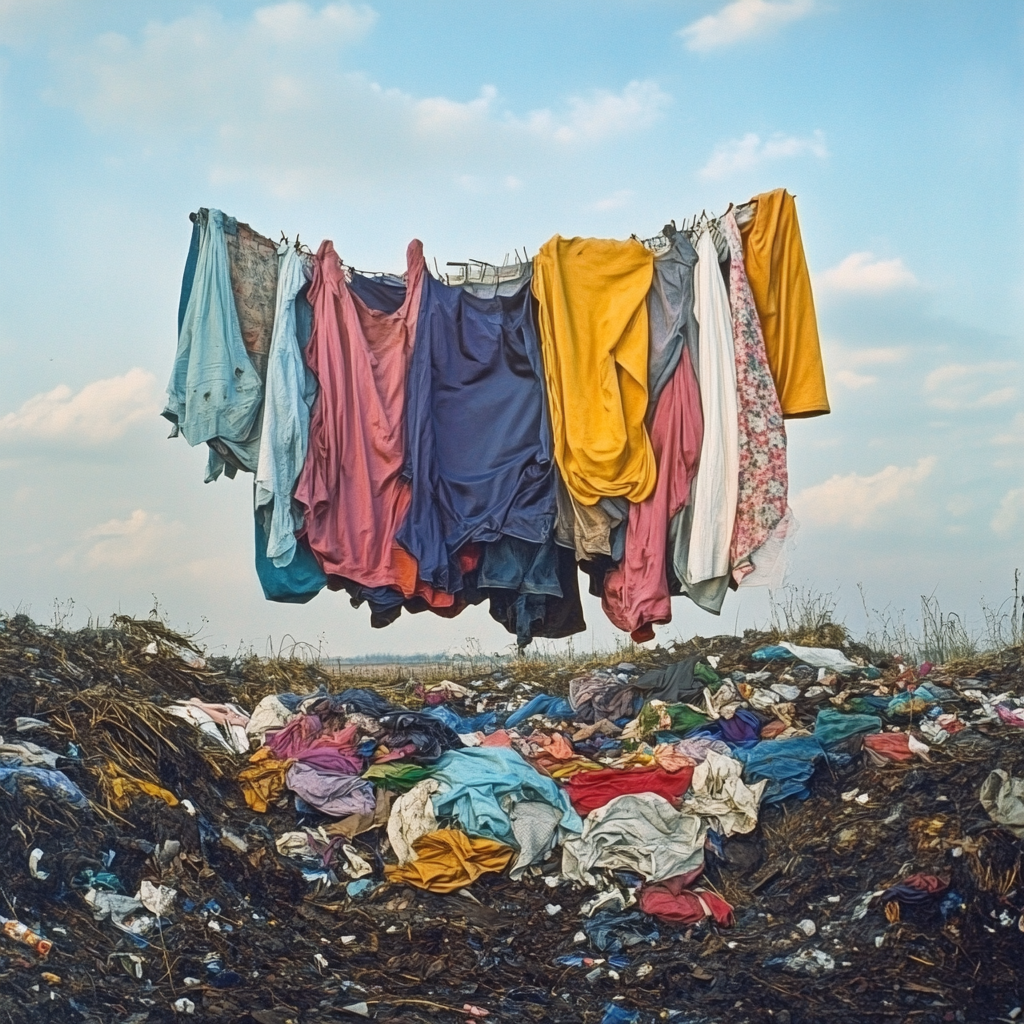
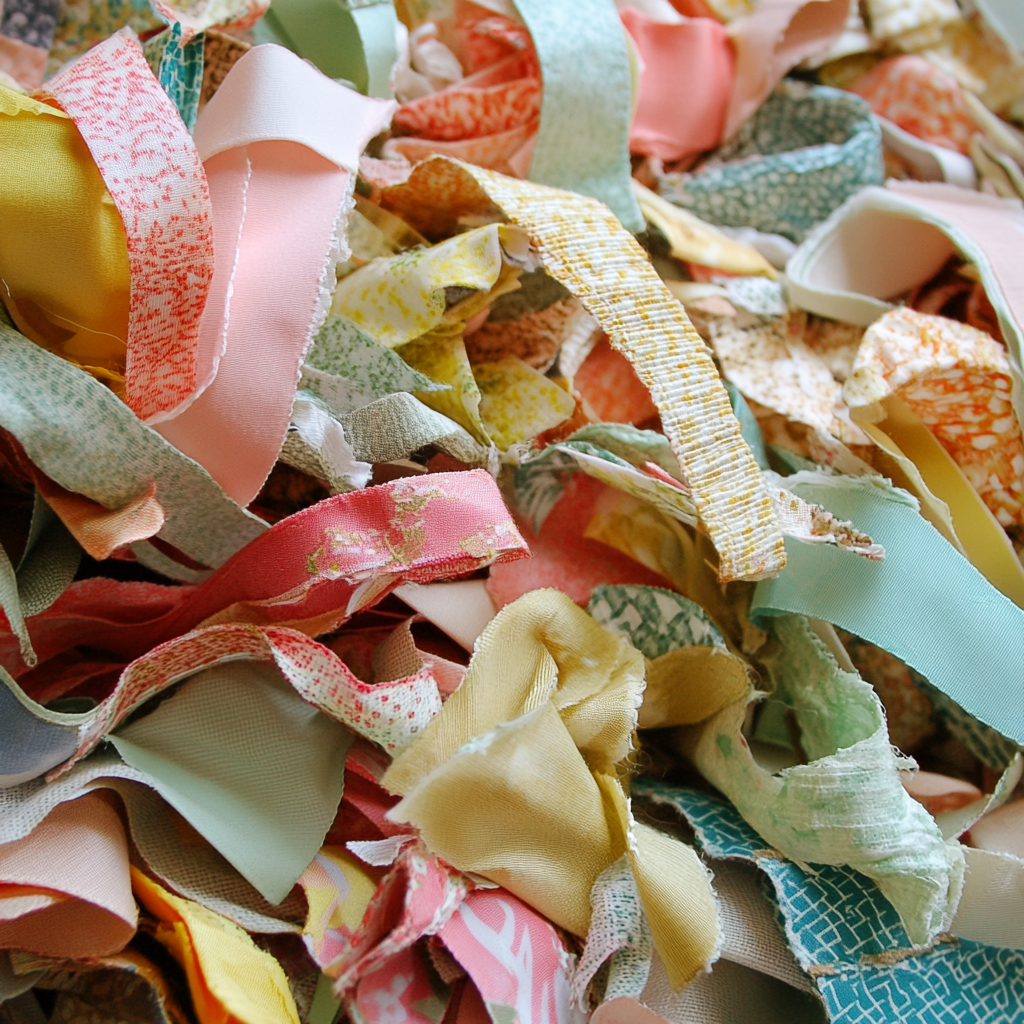
    So, without further ado, meet Frankie Collective—a brand that focuses on vintage and reworked clothing, made locally in Vancouver, B.C. What sets Frankie Collective apart from the world of greenwashing and false promises is that they back up all of their claims with real statistics and concrete plans detailing what they do and why it is sustainable. For starters, Frankie saves around 65,000 pounds of clothing from landfills every single year. Additionally, the company doesn’t throw away the leftover scraps of clothing they use when reworking dilapidated vintage wear; they pay to have theirs removed and recycled by Fabcycle. This means that all of their materials and waste are 100% recycled, which is an incredibly impressive feat for a clothing brand.

    Frankie Collective doesn’t just stop at sustainable business practices; they are also devoted to informing consumers about microplastics in the ocean and how much of that actually comes from clothing. The customer base they have cultivated is made up of environmentally conscious consumers who genuinely care about the well-being of our world. This creates an incredible symbiotic relationship where shoppers can acquire unique, beautiful pieces while supporting environmental sustainability. Frankie Collective is paving the way for an ingenious new era of fashion.

    Check out there unique ensambles here…
  • Reduce, Reuse, and Recycle Fashionably!

    Reduce, Reuse, and Recycle Fashionably!

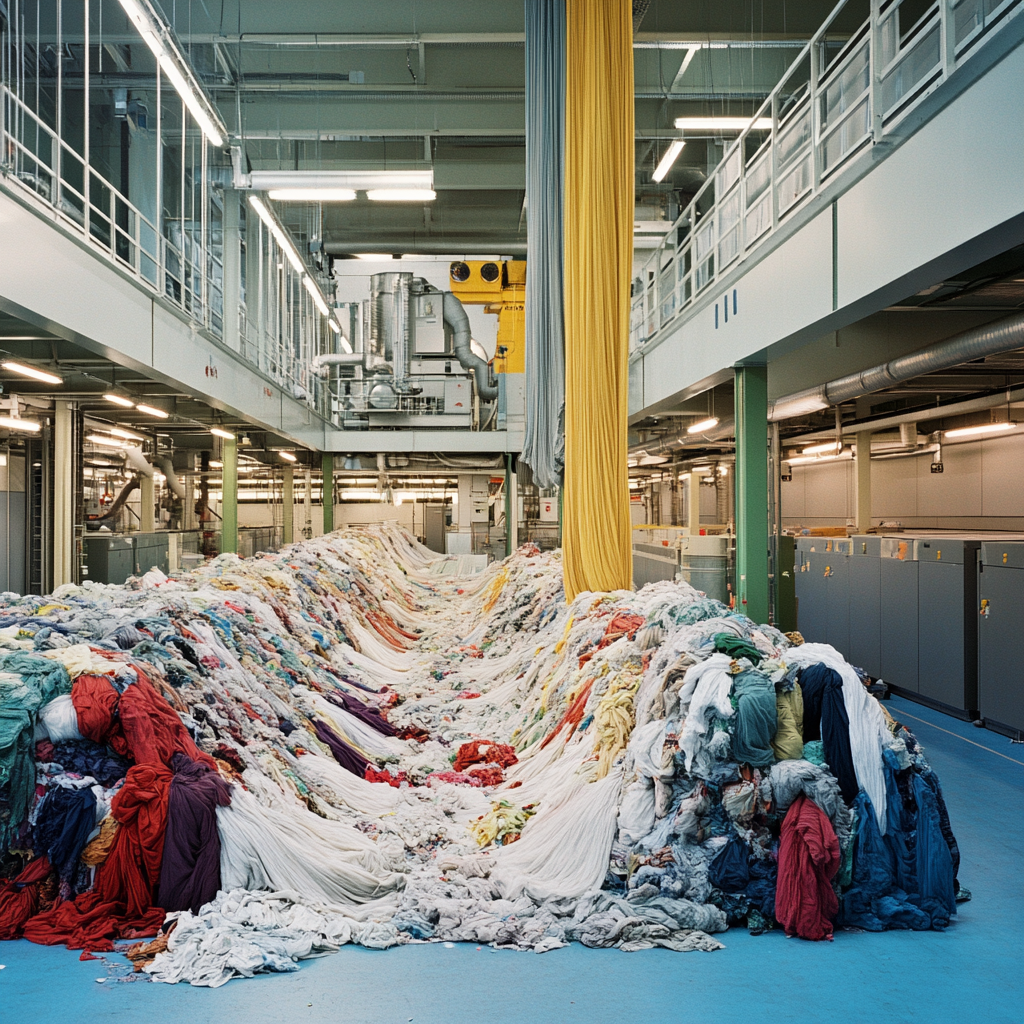
    Raising awareness and continuing to discuss how we can make the fashion industry more environmentally friendly is only half the battle. It is imperative to start turning these conversations into action. One innovative idea currently coming to life is the establishment of textile recycling plants. In 2022, The New York Times published a compelling story highlighting one of the first startup plants, located in Sundsvall, Sweden, called Renewcell. The article reveals how plants like this represent a significant first step in genuinely recycling clothing into renewable materials, which can then be used to produce high-quality garments.

    These types of factories could bring immense changes to the current clothing waste issue by addressing the problem of where all that waste ends up. Instead of going to a landfill, textiles can be sent to facilities like these, which focus on transforming old clothes into new materials.

    This method gives clothing a much more cyclical life, which is crucial for sustainability as a whole. For example, someone buys a trendy top, but that trend may be over in just three weeks. Instead of discarding the top, it could be sent to a textile factory. There, it can be converted into new materials, which can then be used to create either a new top or perhaps something entirely different. This approach promotes a much less stagnant lifecycle for clothing compared to the past.

    It’s important to emphasize that while these factories offer a great way to truly recycle clothing, we must not fall into the trap of fast fashion and microtrends that encourage overconsumption. These factories should not serve as an excuse to buy more clothes; rather, they should remind us of how we got into this mess in the first place.

    Since 2022, Renewcell has been acquired by Altor, a well-known investment firm based in Sweden. It has since been renamed Circulose, the new material created from recycled textiles. This Circulose generates fibers that can, in turn, be transformed into fabrics and made into clothes! It truly represents a beautiful full-circle moment for the future of sustainable fashion.

    Check out The New York Times article here! https://www.nytimes.com/2022/11/30/style/clothing-recycling.html

    Learn more about Circulose here! 

    https://circulo.se/en/about/

  • What in the World are We Wearing?

    What in the World are We Wearing?

    The next trend, the new top, or the brand-new purse are all huge topics of discussion around the world. Fashion is not just an industry; it’s an art form and a statement we all use to express who we are. However, one of the biggest conversations that needs to be had pertains to the world of fast fashion. Did you know, according to Earth.org, that the fashion industry contributes to around 93 billion cubic meters of water each year globally? In a world dominated by overconsumption and the relentless pursuit of the next best thing, addressing these environmental impacts has never been more critical. We owe it to our planet to lead a more sustainable lifestyle.

    Fortunately, the fashion game is ever-evolving, and this time, more brands, companies, and influencers around the globe are recognizing that environmentally friendly fashion is not just a trend but a necessity. The coolest part about sustainable fashion is its diversity. From thrift stores and vintage shops to reworking old clothes and using sustainable materials, there are countless ways to integrate these practices into our lives, and this can be seen all over the world.

    This diversity is a compelling narrative that empowers people to choose fashion that our planet will love. The assortment of sustainable fashion initiatives is a beautiful feat that the entire world is currently participating in. In this blog, I want to reveal brands’ solutions and techniques that address the problem of fast fashion waste globally. This movement is an incredible way to create community by exploring different countries and cultures, because it doesn’t matter where we are in the world; fashion is always a topic of conversation.

    Sustainability is in, and exploring its many facets around the world can encourage positive change in the industry, whether at an individual or corporate level. Let’s see what the world is wearing and how they’re doing it in the trendiest way of all: renewable and sustainable!

    For more fast fashion facts, check out https://earth.org/fast-fashion-facts/