Tag: ethical-fashion

  • Threads of Change: 5 Sustainable Fabrics Shaping the Future of Fashion

    Threads of Change: 5 Sustainable Fabrics Shaping the Future of Fashion

    As the fashion industry increasingly acknowledges its environmental impact, the shift towards sustainable materials has become essential. Sustainable fabrics not only reduce ecological footprints but also promote ethical practices across the globe. Here, I want to explore various sustainable materials that are shaping the future of fashion, highlighting their benefits and cultural significance.

    1. Organic Cotton

    Organic cotton is a staple in sustainable fashion, grown without synthetic pesticides or fertilizers. This method preserves soil health and promotes biodiversity, making it a more eco-friendly choice compared to conventional cotton. The use of organic farming practices helps in conserving water and reducing pollution, which is crucial given that traditional cotton farming is notoriously water-intensive and chemically reliant.Brands worldwide are increasingly adopting organic cotton for casual wear and loungewear, aligning with the growing consumer demand for environmentally responsible products.

    2. Recycled Polyester

    Recycled polyester is made from post-consumer plastic waste, such as bottles and fabric scraps. This innovative material helps divert plastic from landfills while requiring significantly less energy and water to produce compared to virgin polyester. Many activewear brands have embraced recycled polyester for its durability and moisture-wicking properties, making it ideal for athletic clothing. This fabric not only supports a circular economy but also reduces the reliance on fossil fuels.

    3. Tencel (Lyocell)

    Tencel, or lyocell, is derived from sustainably sourced wood pulp, primarily eucalyptus trees. Its production involves a closed-loop process that recycles water and solvents, minimizing waste and pollution. Tencel is known for its softness and breathability, making it a popular choice for casual wear and undergarments. Its biodegradable nature further enhances its appeal in sustainable fashion, as it breaks down naturally without harming the environment.

    4. Hemp

    Hemp is one of the most eco-friendly fabrics available today. It grows quickly with minimal water and no need for pesticides, making it a resilient crop that benefits soil health.Hemp fibers are durable and biodegradable, which adds to their sustainability credentials. As more designers incorporate hemp into their collections, this versatile material is gaining recognition for its potential to replace more resource-intensive fabrics.

    5. Piñatex

    Piñatex is an innovative alternative to leather made from pineapple leaf fibers, a byproduct of the pineapple industry. This sustainable fabric not only reduces waste but also provides additional income to farmers. Piñatex is gaining traction in the fashion industry as a cruelty-free option that maintains durability while being environmentally friendly.

    The adoption of sustainable materials in fashion represents a significant step towards reducing the industry’s environmental impact. By choosing fabrics like organic cotton, recycled polyester, Tencel, hemp, and Piñatex, consumers can support ethical practices that support our Earth! As awareness grows, so does the potential for a more sustainable future in the global fashion landscape—one where style does not come at the expense of our planet.

    Learn more about sustainable fashion materials here: https://bamboorose.com/blog/top-8-sustainable-fashion-materials-for-clothing-brands/


  • Beyond the Big Names: 10 Eco-Friendly Fashion Labels Making a Difference

    Beyond the Big Names: 10 Eco-Friendly Fashion Labels Making a Difference

    As a sustainable fashion fanatic, I’m always on the lookout for eco-friendly brands that are making a difference in the industry. While the big names like Patagonia often dominate the conversation, there are so many more amazing sustainable fashion brands around the world that deserve our attention as well. So here’s 10 under-the-radar labels that are changing the game that you should check out!

    1. PANGAIA

    This materials science company is revolutionizing the industry with its innovative fabrics. From seaweed fiber t-shirts to puffer jackets filled with wildflowers, PANGAIA proves that sustainability can be stylish.

    2. Vuori

    Based in California, Vuori is committed to climate neutrality while creating high-performance activewear. Their dedication to reducing their carbon footprint sets them apart in the athleisure space.

    3. Finisterre

    This UK-based brand is all about ocean conservation. Their surf-inspired clothing is made from recycled materials, and they even have a wetsuit recycling program.

    4. Passenger

    Another UK brand, Passenger, focuses on forest conservation. Their cozy, outdoorsy pieces are perfect for adventurers who care about our planet.

    5. Story MFG

    This slow fashion brand combines social activism with stunning, hand-crafted designs. Their pieces are dyed using natural ingredients and made in small batches. 

    6. Greater Goods

    Upcycling is the name of the game for Greater Goods. They transform discarded materials into unique, one-of-a-kind pieces that are as stylish as they are sustainable.

    7. E.L.V. Denim

    Based in East London, E.L.V. Denim creates luxury jeans from 100% upcycled materials. The commitment they have to reducing waste in the fashion industry is an inspiration to brands all over. 

    8. Sézane

    This Parisian brand proves that sustainability can be chic. With their limited-quantity items and eco-friendly production methods, Sézane is redefining style for the conscious consumer.

    9. Brøgger

    Danish designer Julie Brøgger believes that longevity is key to a greener wardrobe. Her label combines sharp tailoring with soft silhouettes, all produced with low-impact methods.

    10. Bassike

    This Australian brand has been committed to sustainable and ethical manufacturing since 2006. They’ve even achieved B Corp and carbon neutral certifications, proving their dedication to both people and planet.

    These brands are just a small sample of the incredible sustainable fashion innovation that is happening around the world. As consumers, we have the power to support these companies and push the industry towards a more eco-friendly future. So next time you’re looking to do a little shopping, consider checking out one of these sustainable brands. Not only will you get some really cool pieces to add to your closet, you also get to know your purchase is making a positive impact on our world. The environment as well as your wardrobe will thank you!

  • Combining Glamour with Green-Let’s talk about Sustainable Fashion Week

    Combining Glamour with Green-Let’s talk about Sustainable Fashion Week

    I think it’s safe to say that most of us have heard of Paris Fashion Week.

    A time when huge designers and brands release their upcoming collections in front of a huge national audience. People tune in and talk about Paris Fashion Week from all over the world. This show has been widely regarded for quite some time now. But perhaps it’s time for a new fashion week to have its moment in the spotlight. While it’s less known, its impact definitely isn’t. Step aside, Paris Fashion Week – it’s time for Sustainable Fashion Week (SFW) to shine and show the world how fashion can be a force for environmental healing and thoughtful consumption.

    Sustainable Fashion Week 2024, which took place in the United Kingdom from September 23rd to the 29th, was a hub of inspiration and action. This year, SFW didn’t disappoint, offering an exciting lineup of events, from workshops and clothing swaps to markets, catwalks, and other activities designed to make sustainability accessible and engaging. What truly sets Sustainable Fashion Week apart is its grassroots, community-centered approach. Rather than showcasing exclusive collections, SFW focuses on education and participation, aiming to empower individuals to make environmentally friendly choices in their everyday fashion decisions. This approach makes SFW an event run by the people, for the people – a collaborative effort that reveals its sustainability mission.

    With four years under its belt, Sustainable Fashion Week has firmly established itself as a powerful event that reaches beyond the fashion elite to engage a broader everyday audience. Participants from various backgrounds come together to learn, share, and act, united by a common goal: to make fashion sustainable and socially responsible. SFW’s format is also unique in that it includes two core components: SFW Hubs, which are regional centers hosting activities, and the Community Fringe, which encompasses independently organized events like repair cafes, styling sessions, and educational discussions. This structure ensures that sustainability is woven into local communities, making it accessible to all.

    Sustainable Fashion Week is more than a single event; it’s a movement aimed at changing our relationship with fashion. While Paris Fashion Week might capture the world’s attention with high-profile shows, SFW is quietly fostering a shift in how we view fashion’s role in the world. Through education, community, and creative expression, it’s inspiring a new generation of consumers to consider the impact of their fashion choices. So as we look forward to the future of fashion, it’s clear that Sustainable Fashion Week is here to stay – hopefully paving the way towards a greener and more conscious fashion industry. 

    Find more information here: https://www.sustainablefashionweek.uk/sfw-2024

  • Reduce, Reuse, and Recycle Fashionably!

    Reduce, Reuse, and Recycle Fashionably!

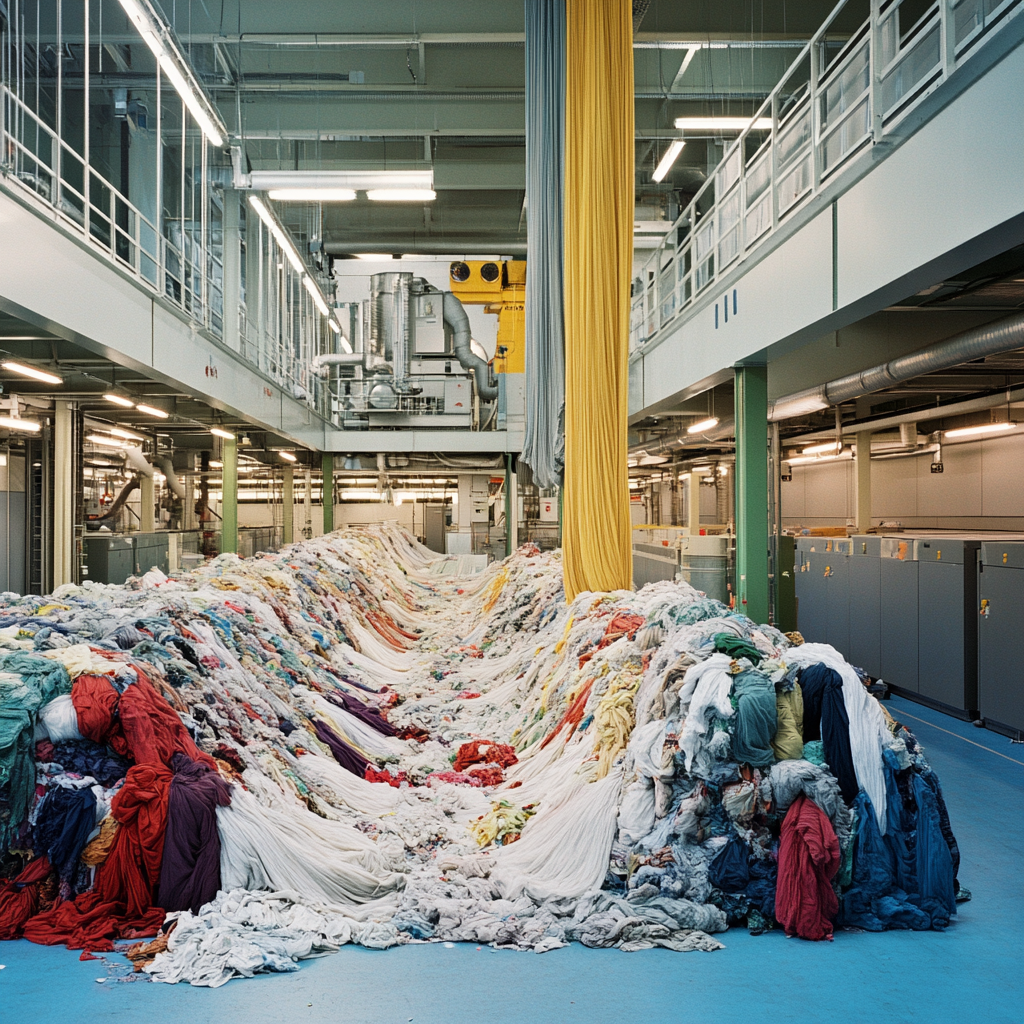
    Raising awareness and continuing to discuss how we can make the fashion industry more environmentally friendly is only half the battle. It is imperative to start turning these conversations into action. One innovative idea currently coming to life is the establishment of textile recycling plants. In 2022, The New York Times published a compelling story highlighting one of the first startup plants, located in Sundsvall, Sweden, called Renewcell. The article reveals how plants like this represent a significant first step in genuinely recycling clothing into renewable materials, which can then be used to produce high-quality garments.

    These types of factories could bring immense changes to the current clothing waste issue by addressing the problem of where all that waste ends up. Instead of going to a landfill, textiles can be sent to facilities like these, which focus on transforming old clothes into new materials.

    This method gives clothing a much more cyclical life, which is crucial for sustainability as a whole. For example, someone buys a trendy top, but that trend may be over in just three weeks. Instead of discarding the top, it could be sent to a textile factory. There, it can be converted into new materials, which can then be used to create either a new top or perhaps something entirely different. This approach promotes a much less stagnant lifecycle for clothing compared to the past.

    It’s important to emphasize that while these factories offer a great way to truly recycle clothing, we must not fall into the trap of fast fashion and microtrends that encourage overconsumption. These factories should not serve as an excuse to buy more clothes; rather, they should remind us of how we got into this mess in the first place.

    Since 2022, Renewcell has been acquired by Altor, a well-known investment firm based in Sweden. It has since been renamed Circulose, the new material created from recycled textiles. This Circulose generates fibers that can, in turn, be transformed into fabrics and made into clothes! It truly represents a beautiful full-circle moment for the future of sustainable fashion.

    Check out The New York Times article here! https://www.nytimes.com/2022/11/30/style/clothing-recycling.html

    Learn more about Circulose here! 

    https://circulo.se/en/about/